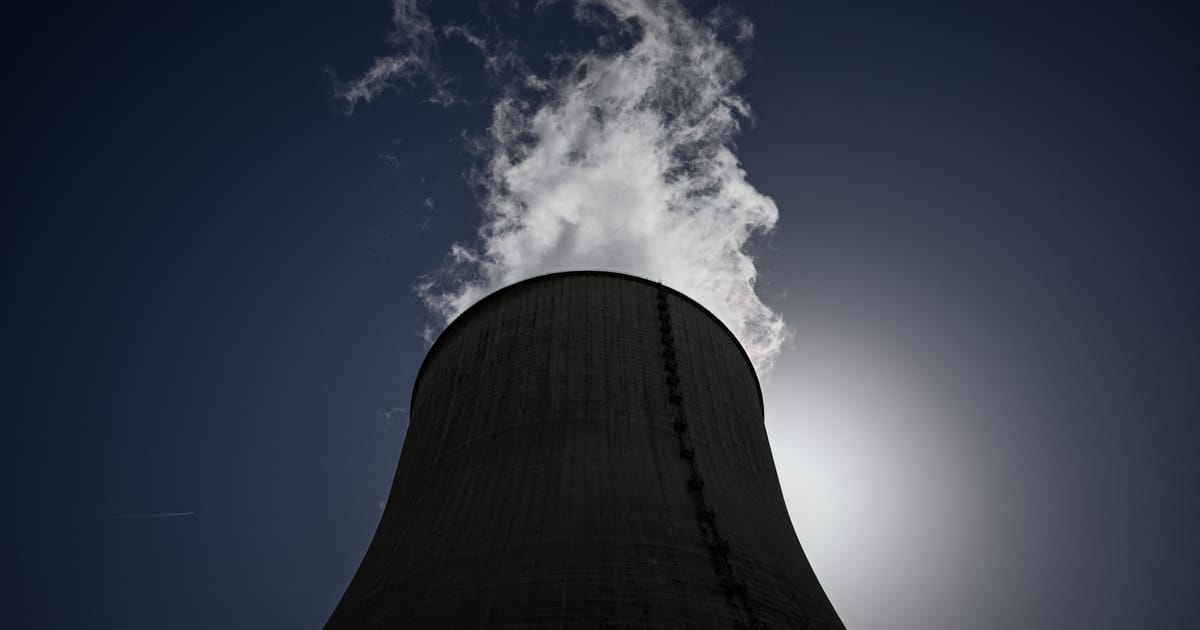
“The water issue is one of the key factors in determining which sites to select,” confirmed one senior French official, who was granted anonymity to speak about the confidential selection procedure, which will conclude by the end of the year.
Grudler, who chairs a cross-party group of pro-nuclear lawmakers in the European Parliament, concurred.
“It is certain that climate change is taken into account in deciding the location of new plants. If you invest €13 billion in a site and it becomes obsolete the very next day because there isn’t enough water to cool the core, the investment is not right,” he said.
Former energy minister Agnès Pannier-Runacher, who helped draw up Macron’s nuclear energy policy during his second term, is confident that the government can find a sufficient number of sites for new nuclear plants, even if “it won’t happen in the blink of an eye.”
“Nuclear power plants have been designed with an overemphasis on safety and security. They are in fact much more robust […] than many other facilities in our energy system,” she said, citing concerns over the electric grid.
“Of course, it needs to be factored into the to-do list, but it isn’t a challenge that stands out on the critical path of nuclear power plant construction,” said Pannier-Runacher.
Elisa Bertholomey contributed to this report.

Europa Monitor is a seasoned News Editor with over a decade of experience in journalism. Known for his editorial expertise and commitment to accuracy, Europa Monitor leads teams to deliver high-quality news content.