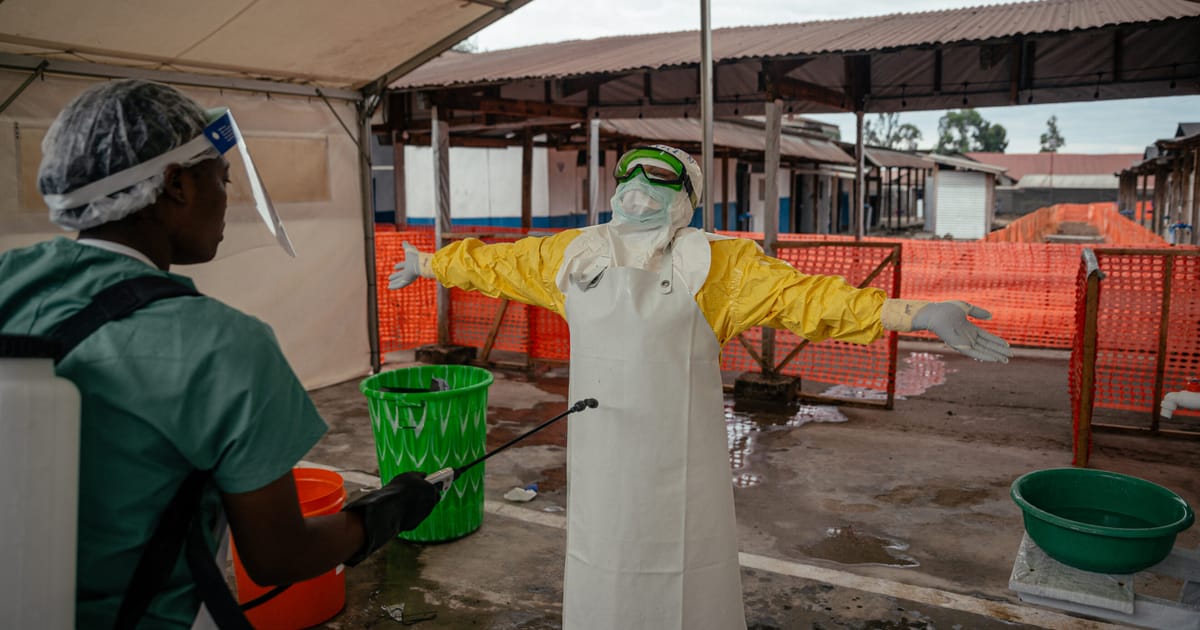
“It’s a call to action, it’s an encouragement. Hey, human beings, we can actually change systems,” she said. Also known as Agenda 2030, the SDGs are a sweeping pact that for the first time committed rich and poor nations to the same agenda. It pledged, among much else, to eradicate poverty, ensure universal access to clean energy and end the epidemics of infectious diseases like Ebola by 2030.
Today only 18 percent of the pact’s 169 targets are on track. The one on disease is stalled. Last year the U.S., which did most to build and fund the SDGs, walked out. The Heritage Foundation, the conservative think tank whose policy agenda shaped Washington’s foreign aid cuts, has called the framework a “failed endeavor.”
Meanwhile, no other government has moved to take its place, and Europe, the obvious candidate, is not trying.
“The math on what is available for specific long-term development needs to meet the SDGs no longer adds up,” said Homi Kharas, a senior fellow at the Brookings Institution. The 2030 deadline, he added, is “largely now viewed as out of reach.”
Yet the diplomat who pushed the goals into existence says the 2030 deadline was always the wrong measure.
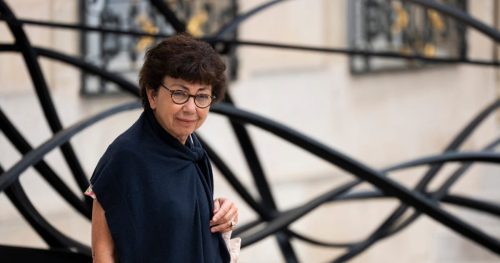
“The SDGs were miraculous. They’re about transforming health systems, food systems, energy systems,” Caballero told POLITICO in a recent interview in Brussels.

Europa Monitor is a seasoned News Editor with over a decade of experience in journalism. Known for his editorial expertise and commitment to accuracy, Europa Monitor leads teams to deliver high-quality news content.