She also underlined the complexity of shifting from a simple ground-to-ground missile to adapting the FP-7 to missile defense systems.
“Their aerodynamic form and production principles are similar, but their functions are different. One has to fly from point A to B and hit the target; another one has a more sophisticated assignment to find and intercept the target,” she said.
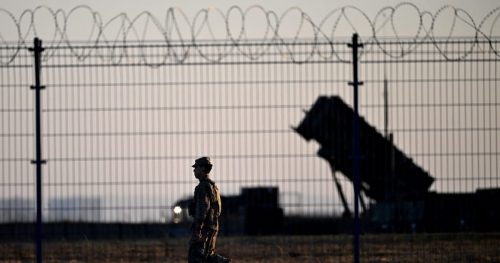
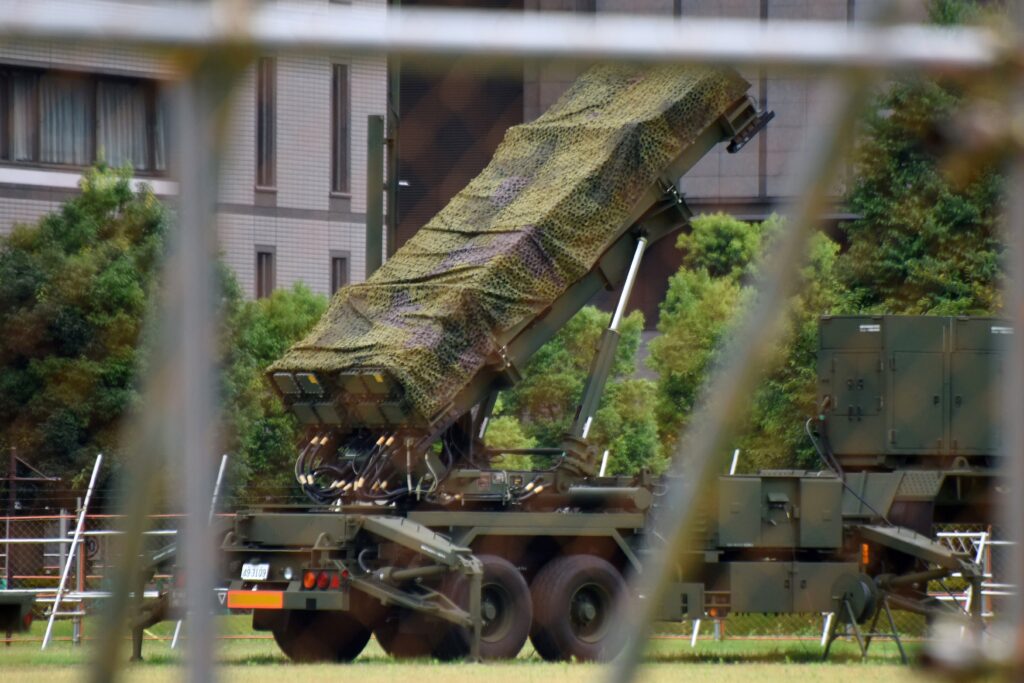
The future Freyja interceptor will be produced in two iterations. The first will be similar to the PAC-2s used by Patriots, which explode next to their targets; the other has the more complex task of finding and intercepting a missile, something done by Patriot’s PAC-3 interceptors.
“It is way faster to produce a PAC-2-like missile,” said Terekh, adding: “We don’t have the luxury of spending decades to invent our own hit-to-kill [interceptors], so we decided to go in iterations … and in the future, we will learn how to make our own hit-to-kill similar to the PAC-3.”
Building Ukraine’s own missiles
While working to develop its own capabilities, Ukraine is also pushing to get a licensing agreement from the U.S. to make its own PAC-3s. U.S. President Donald Trump told Zelenskyy last month that such a deal would be possible, but he has since walked that back and is now pressing for the Pentagon to rebuild its own stocks after reports that the U.S. burned through huge numbers of missiles in the first days of the war against Iran.
Terekh stressed that even if the will was there, getting a Patriot PAC-3 production deal still involves “bottlenecks” in component production. She would prefer a separate agreement allowing Ukraine to produce homing heads — the autonomous guidance system housed in the nose of a missile that directs it to its target — calling it the “critical and most hard-to-produce component.”

Europa Monitor is a seasoned News Editor with over a decade of experience in journalism. Known for his editorial expertise and commitment to accuracy, Europa Monitor leads teams to deliver high-quality news content.