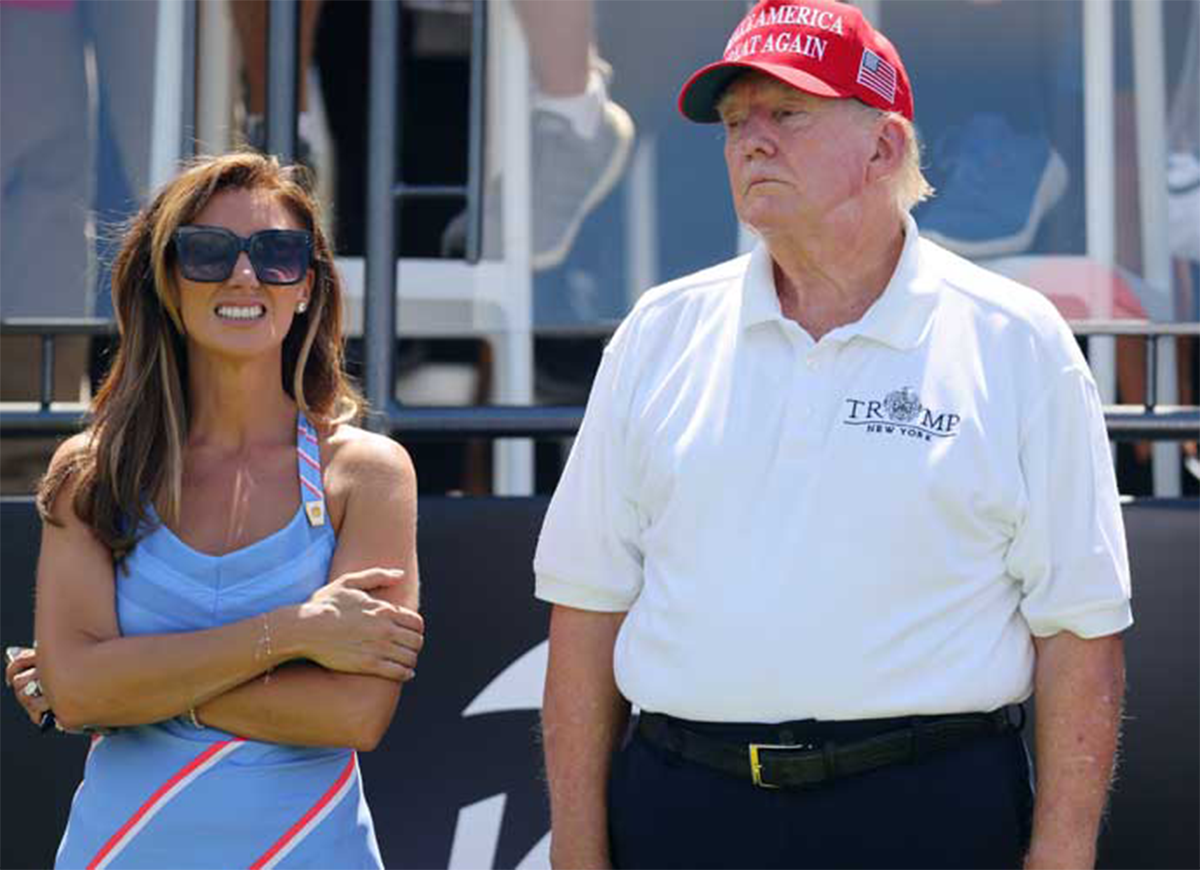
President Donald Trump remains in “excellent health” and is fully capable of carrying out the responsibilities of the presidency, according to a medical memorandum released by the White House on Saturday following a recent examination at Walter Reed National Military Medical Center.
The assessment, prepared by the president’s physician, Dr. Sean Barbabella, described Trump, 79, as exhibiting strong cardiovascular, pulmonary and neurological function. The report stated that the president continues to maintain an active schedule and shows no signs of medical conditions that would impair his ability to perform the duties of office.
Trump’s Weight Gain
The report noted that Trump has gained 14 pounds since last year’s examination.
The memorandum offered one of the most detailed public updates on Trump’s health since he began his second term. Presidential health has long been a subject of public interest, particularly for older occupants of the office, whose physical and cognitive fitness can become a matter of political scrutiny.
According to the report, physicians observed minor swelling in the president’s lower legs, a condition that the memorandum said had improved since the previous year. The report also noted bruising on Trump’s hands, which doctors attributed to frequent handshaking and the use of aspirin as part of a cardiovascular prevention regimen.
The physician’s evaluation said that additional testing, including cardiovascular assessments, produced normal results. The memorandum characterized the president’s overall condition as stable and favorable.
White House officials pointed to the report as evidence that Trump remains capable of maintaining the demanding pace of the presidency. The release comes amid ongoing public discussion about the health and age of national political leaders, an issue that has figured prominently in recent election cycles.
Medical reports released by the White House are not subject to independent verification, and the level of detail provided has varied widely across administrations. Presidents have traditionally exercised broad discretion over how much medical information to disclose to the public.
The memorandum did not identify any significant new medical concerns. Instead, it emphasized continued monitoring, routine preventive care and measures intended to support long-term cardiovascular health.
The report is likely to draw attention from both supporters and critics as questions surrounding presidential health continue to occupy a prominent place in the nation’s political conversation.

Europa Monitor is a seasoned News Editor with over a decade of experience in journalism. Known for his editorial expertise and commitment to accuracy, Europa Monitor leads teams to deliver high-quality news content.