
Another 43 other countries, including Japan, China, South Korea and Australia, will face a 12.5 percent tariff rate. The rates are in line with the investigation’s preliminary findings, published in early June.
“Today’s action is the most sweeping international labor rights action the United States has ever taken — that any country has ever taken,” said a senior administration official, granted anonymity to preview the new tariffs. “It encourages stronger labor rights enforcement abroad, it will restore fairness in the global market for American workers, and it incentivizes our trading partners to join the United States in eliminating forced labor from global supply chains.”
A few countries were able to lower the tariff rate on their goods by implementing a forced labor ban after the proposed tariffs were first announced in June, including India, Trinidad and Tobago, Honduras and Sri Lanka.
While the new order maintains existing tariff exemptions for a wide array of products like coffee and goods compliant under a 2020 North American trade agreement, the administration also created more carveouts for products that can’t be produced in the U.S. like cork, which primarily comes from Portugal and gems like diamonds and rubies from several countries.
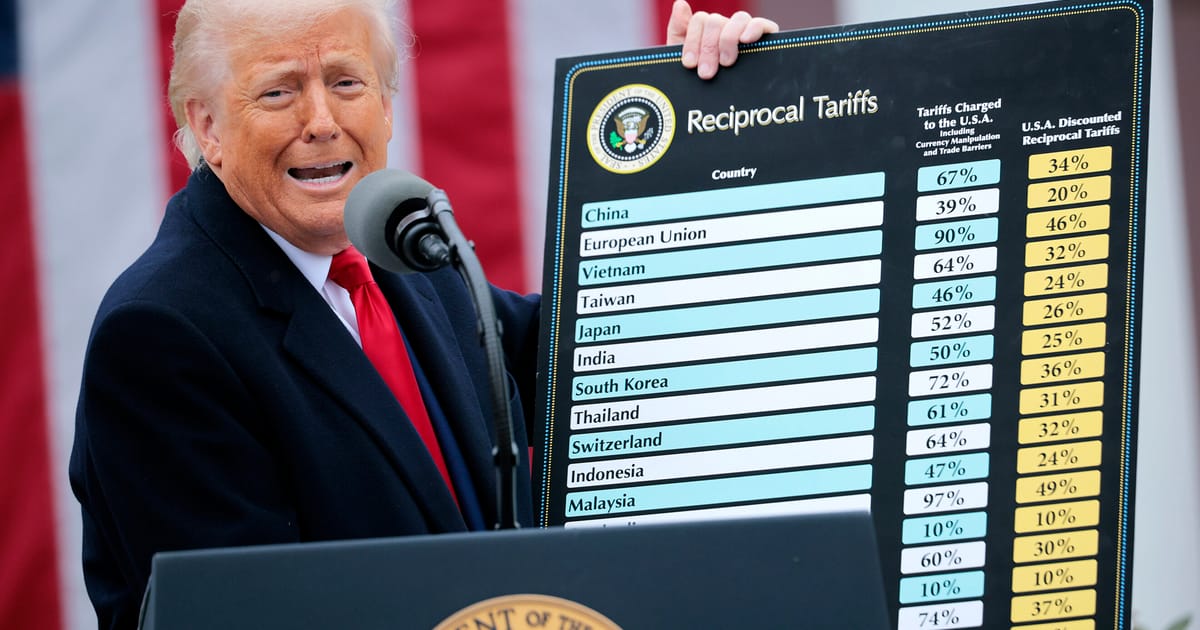
The duties, imposed under Section 301 of the Trade Act of 1974, will go some way to rebuilding the tariff wall felled by February’s Supreme Court decision. In the wake of that ruling, President Donald Trump imposed a 10 percent global tariff under Section 122 of the same statute. But that law only authorizes tariffs for 150 days, and the current ones are set to expire Friday.
Many countries still face tariff rates lower than they did last year, when Trump imposed “reciprocal” duties under the International Emergency Economic Powers Act. The Supreme Court ruled that law did not justify tariffs.

Europa Monitor is a seasoned News Editor with over a decade of experience in journalism. Known for his editorial expertise and commitment to accuracy, Europa Monitor leads teams to deliver high-quality news content.