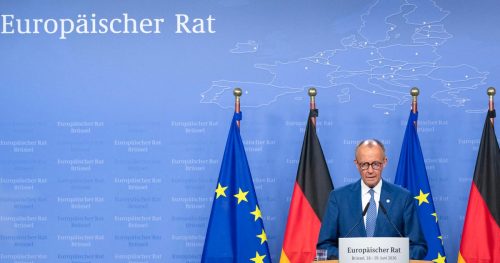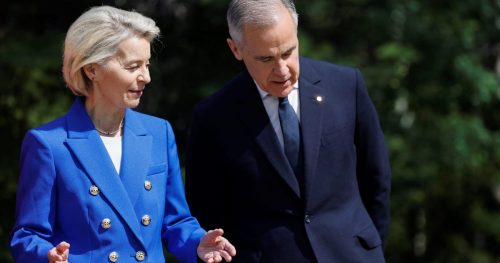
Other countries have tried to appease Trump, the official said. But Canada, which has the most to lose since it’s so economically and geographically intertwined with the U.S., has “put out our chest.”
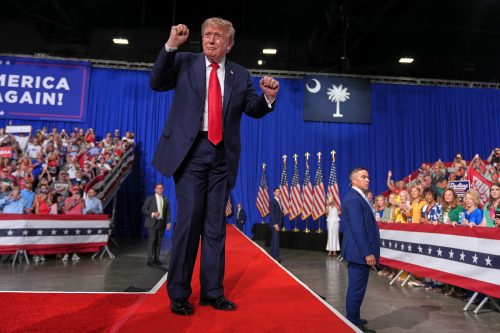
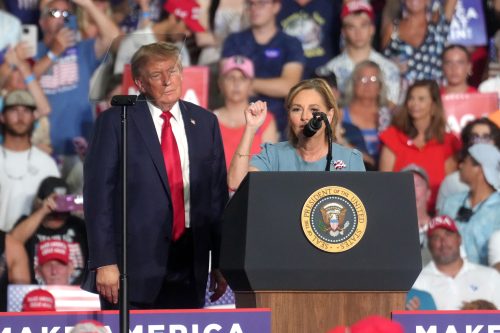
After Carney walked away from a deal that in his view threatened Canada’s sovereignty, he vowed to fight back. Ottawa would match Trump’s new duties “dollar-for-dollar,” he said — only for the U.S. president to menace Canada with more sweeping tariffs of 50 percent on cars, trucks and auto parts from January.
“Frankly, I think other countries are watching Canada’s response and we hope, I hope, will be following along. At some point, the rest of the world will say enough,” said British Columbia Premier David Eby.
On Tuesday, Ottawa announced a suite of retaliatory tariffs and domestic support measures meant to protect Canadian sectors caught in the crosshairs of the trade war. The dollar-for-dollar Canadian counter-tariffs target U.S. steel, dairy, appliances, agricultural equipment, pulp and paper, and electronics.
The tariffs take effect on Sept. 8. Meanwhile, Canada’s government is rolling out C$7.5 billion in financing, liquidity and income support to sectors hit by tariffs.
Yet so far, Canada’s allies have left it in the lurch.

Europa Monitor is a seasoned News Editor with over a decade of experience in journalism. Known for his editorial expertise and commitment to accuracy, Europa Monitor leads teams to deliver high-quality news content.