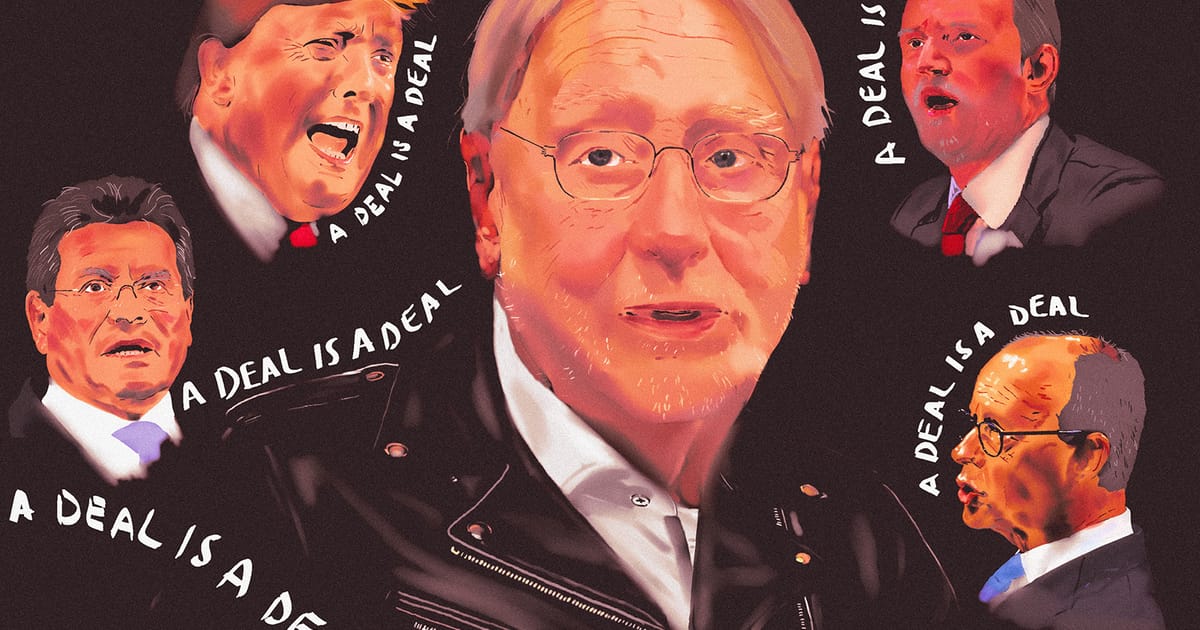
In the decisive round of negotiations between the EU institutions that ended in the early hours of May 20, Lange accepted Weyand’s proposal to use the word “empowers” in the text. That gave the Commission greater discretion to assess whether the U.S. was complying with the Turnberry deal than Lange had wanted.
“He was tough, and there was a moment when Bernd had the feeling that the Commission played a lot of theater and put a lot of pressure on us,” Anna Cavazzini, the lead negotiator on the file for the Greens, told POLITICO.
“There was a lot of shouting,” said Cavazzini, who was in the room. “Most of the time, he stood firm. In the end, he gave up.”
The final text states that the Commission may suspend the trade deal if Washington fails to lower duties on European steel and aluminum products by the end of 2026. There is no reference to protecting the EU’s territorial integrity, and the deal’s expiry date was pushed back to the end of 2029 — later than Lange had wanted.
While his wins on the revised texts are ultimately non-binding, leaving the Commission a lot of leeway in implementing the commitments made, they nonetheless create political accountability on both sides of the Atlantic and send a signal to a partner the EU no longer trusts.
“My favorite phrase to answer this is of course [from] the Rolling Stones: You can’t always get what you want,’” Lange said.
“But the second phrase is: ‘If you try hard, you get what you need,’ and that’s the crucial one.”
Camille Gijs and Max Griera reported from Brussels and Nette Nöstlinger reported from Berlin.

Europa Monitor is a seasoned News Editor with over a decade of experience in journalism. Known for his editorial expertise and commitment to accuracy, Europa Monitor leads teams to deliver high-quality news content.