You look familiar
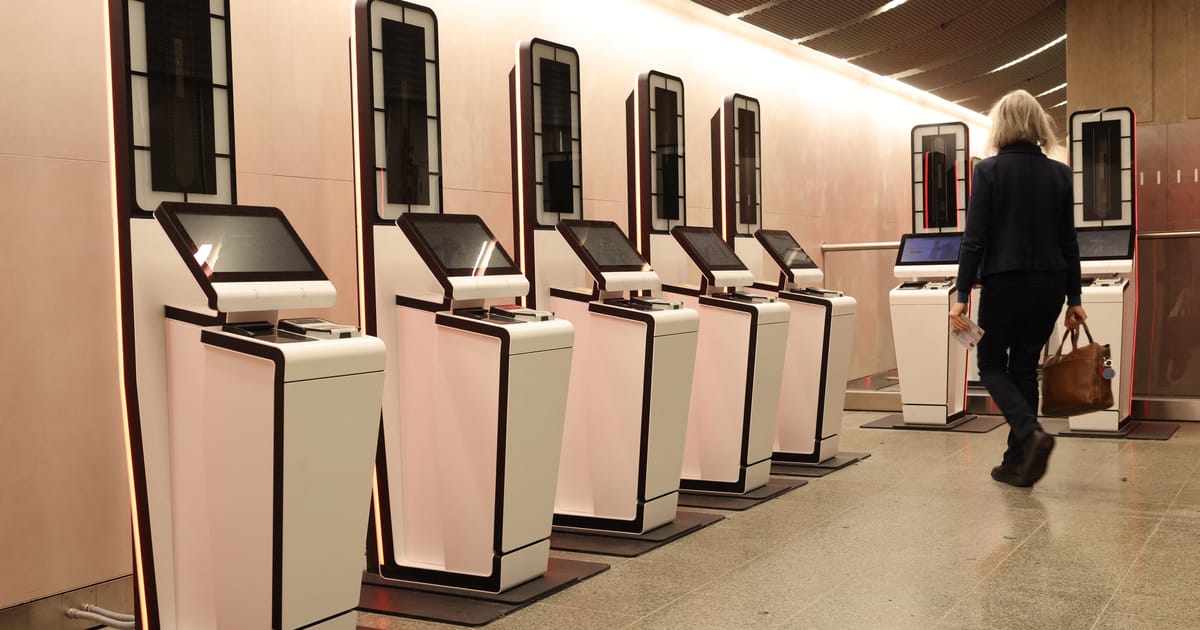
EES appeared to have confused the two women based on their identical facial scans, and possibly their identical last names, dates of birth, and nationalities — the only things they have in common as far as the system is concerned. They have different fingerprints, first names, and crucially their own passports.
The woman was ultimately allowed to fly, but remains concerned about future journeys.
POLITICO has tried to get to the bottom of what happened.
The drama may be down to two separate cases of bad implementation of EES by member states striking at once, Niovi Vavoula, chair in cyber policy at the University of Luxembourg, said.
Vavoula, who has advised lawmakers on the technicalities of EES, suggested the bizarre situation might have been caused by an improperly registered exit for the twin in Amsterdam — as well as a poorly conducted check by the Romanian authorities in Cluj.
The academic said it seemed that the Amsterdam exit check had been conducted when EES was “not fully ready or there was a malfunction” at the station — likely given the travel date on April 12 was so soon after the April 10 live date for the computer system. This was “not uncommon at all,” and it was corroborated by widespread reports, she said.

Europa Monitor is a seasoned News Editor with over a decade of experience in journalism. Known for his editorial expertise and commitment to accuracy, Europa Monitor leads teams to deliver high-quality news content.