The companies call for “decisive intervention to stop the ETS cost escalation” because “immediate policy correction is required” if their sectors are going to survive.
But critics have argued that both the steel and chemicals industries have already received favorable treatment from EU policymakers, especially in the recent calculation of ETS benchmarks — figures setting the free carbon credits for industries, based on the 10 percent best polluters.
Chemicals companies, for example, were seen as benefiting from the latest Commission benchmarks and were on track to receive more free carbon credits between 2026 and 2030 as compared to other sectors. An internal Commission report from May describes how the new benchmarks calculations would result in an extra €4 billion in brand new free allowances for industry.
But the four companies point to a common complaint among some private sector players across the bloc, who say the EU is going it alone on decarbonization even as global rivals like the U.S. retreat from climate policies.
“Europe is effectively acting alone in imposing rapidly rising carbon costs on its industry already facing structural cost disadvantages like higher energy prices and regulatory costs,” the letter said, which warns could result in carbon leakage, plant closures and layoffs.
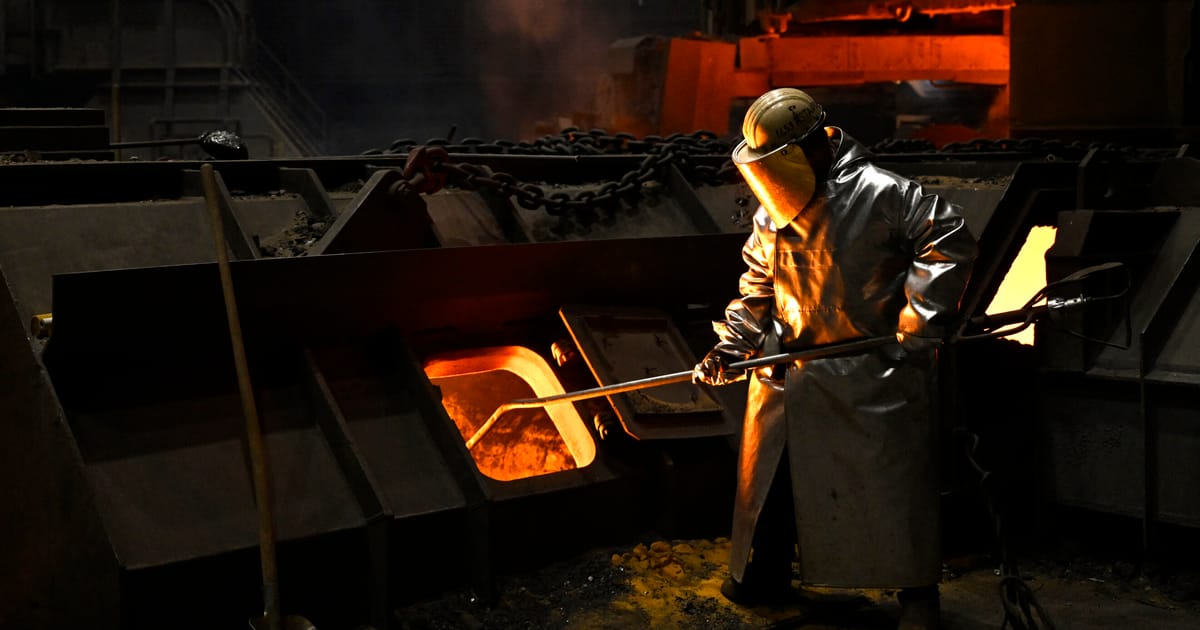
For its part, ArcelorMittal has historically received billions in free allocations, while still accounting for a third of EU steel sector emissions. According to Carbon Market Watch, a European pollution watchdog, ArcelorMittal took home over €3.8 billion in free allowances in 2023, while ThyssenKrupp received €1.8 billion and Voestalpine €795 million.

Europa Monitor is a seasoned News Editor with over a decade of experience in journalism. Known for his editorial expertise and commitment to accuracy, Europa Monitor leads teams to deliver high-quality news content.