Europe “can step up now and in the near term,” Gen. Alexus Grynkewich, NATO’s top commander and the head of U.S. forces in Europe, told military leaders this week. America, he said, will “refocus” equipment and forces elsewhere.
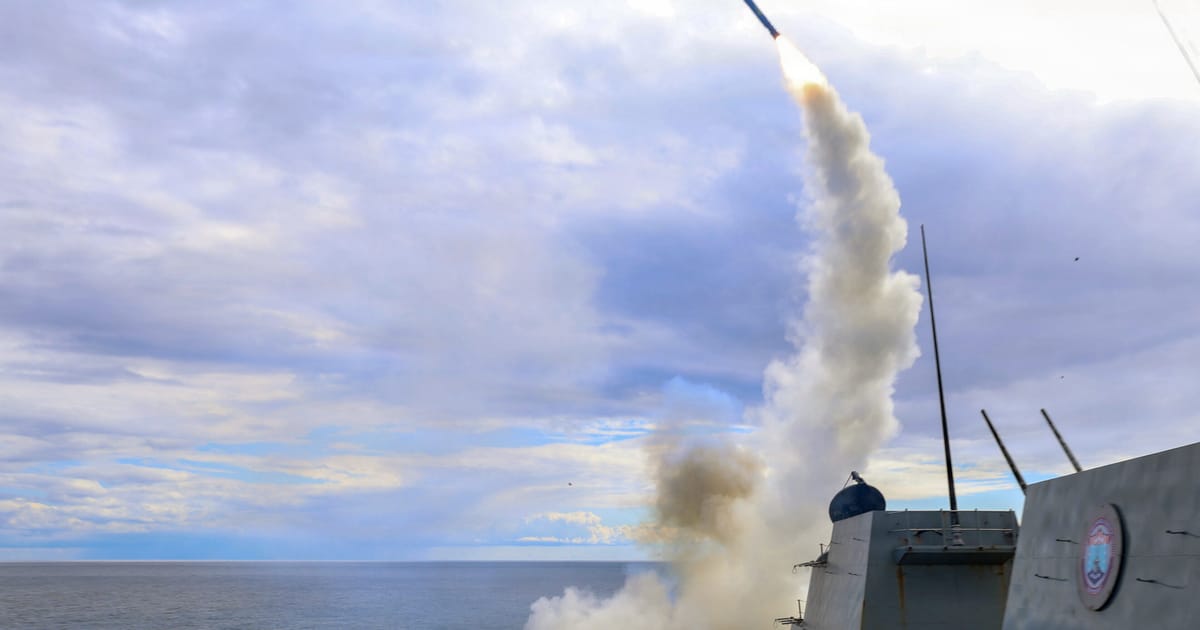
American officials, even if primarily fearful of Russia’s reaction, likely are also worried about the shrinking U.S. weapons stockpile. The U.S. churned through thousands of Tomahawk and Patriot missiles in the first weeks of the Iran war. Defense Secretary Pete Hegseth told Congress last month that it will take “months and years” to replace the munitions spent in the military conflict.
The likely Tomahawk reversal is particularly unsettling for German officials, who are rushing to modernize their atrophied force to serve as a bulwark against Russian aggression. German Chancellor Friedrich Merz said last month that he did not expect the U.S. would station Tomahawk missiles in Germany due to limited availability of the cruise missiles, which can travel over 1,000 miles.
“The Americans don’t have enough for themselves right now,” he told German public television.
The U.S. unveiled further changes to its role in NATO this week at a quarterly conference of military leaders. These include reductions in fighter jets, drones and naval units, according to WELT, part of the Alex Springer Global Reporters Network, which includes POLITICO.
“The whole point is to give allies the information and clarity they need to drive forward as quickly and effectively as possible,” said a Defense Department official, who like others, was granted anonymity to discuss internal conversations. This is about “allies taking primary responsibility for Europe’s conventional defense.”

Europa Monitor is a seasoned News Editor with over a decade of experience in journalism. Known for his editorial expertise and commitment to accuracy, Europa Monitor leads teams to deliver high-quality news content.