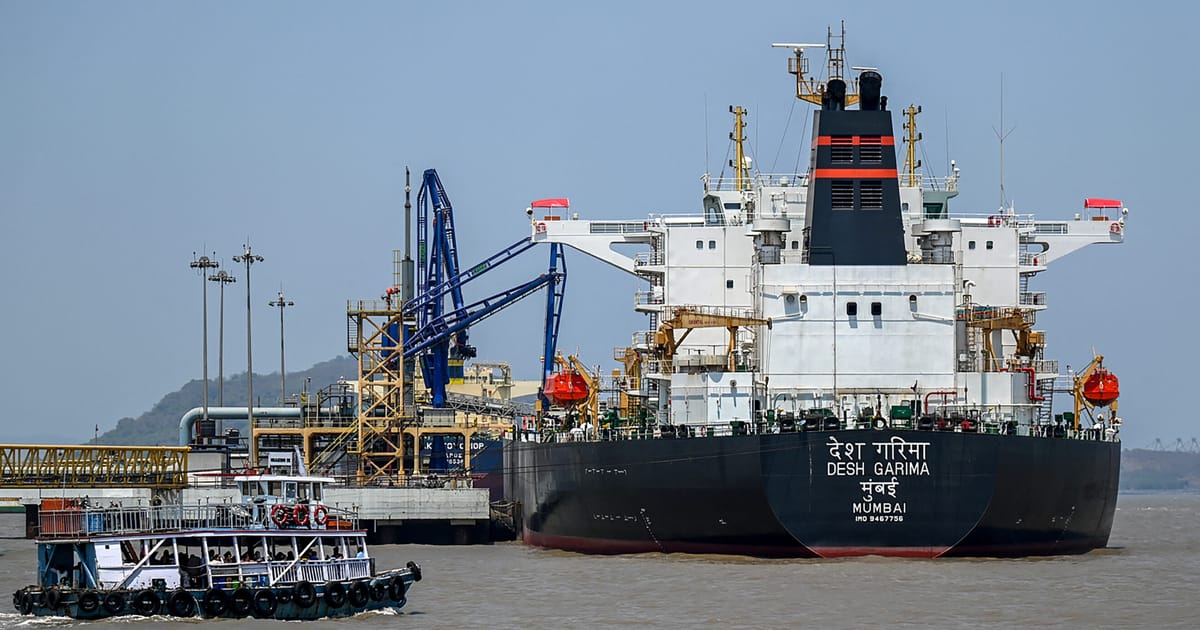
“What’s happened now is that there are multiple events going on — not just regional skirmishes, but the whole global regulatory framework is being questioned,” Tim Wilkins, managing director of Intertanko, which represents tanker owners, told POLITICO on the sidelines of this week’s Posidonia shipping conference in Athens.
“That kind of complexity, these things happening layer upon layer and so quickly, has never happened before. That’s why the industry is moving into a new phase, a new way of doing business,” he added.
That shift is already showing up in the industry’s playbook.
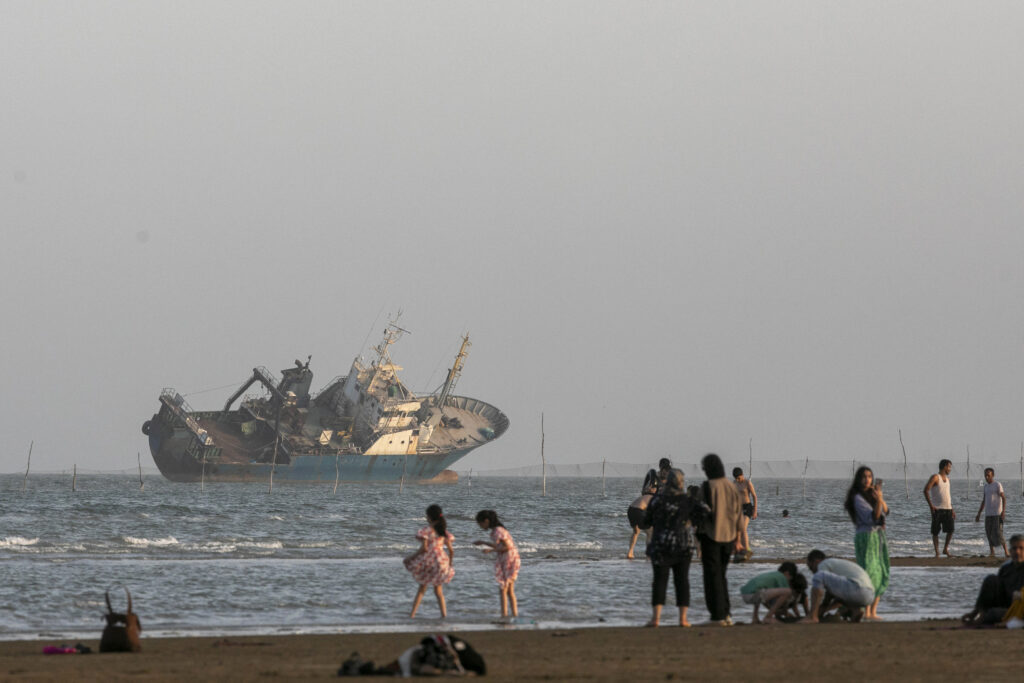
The Baltic and International Maritime Council, the world’s largest shipping association, issued new guidance in late May for ships transiting the Strait of Hormuz. The document advised crews how to respond to missile and drone attacks, satellite signal jamming, mine threats and boarding attempts — including tables and checklists to help assess the level of risk and what to do next.
“I think it’s quite clear that the shipowners fear that this can draw out,” Jakob P. Larsen, chief safety and security officer at BIMCO, said in May. “This is why they are beginning to look into more details on how to manage the situation safely.”
“They’re trying to predict all the potential things that can happen,” he added, “because if you are prepared, the chances are simply better of minimizing loss of crew and ship and all the rest of it.”

Europa Monitor is a seasoned News Editor with over a decade of experience in journalism. Known for his editorial expertise and commitment to accuracy, Europa Monitor leads teams to deliver high-quality news content.