
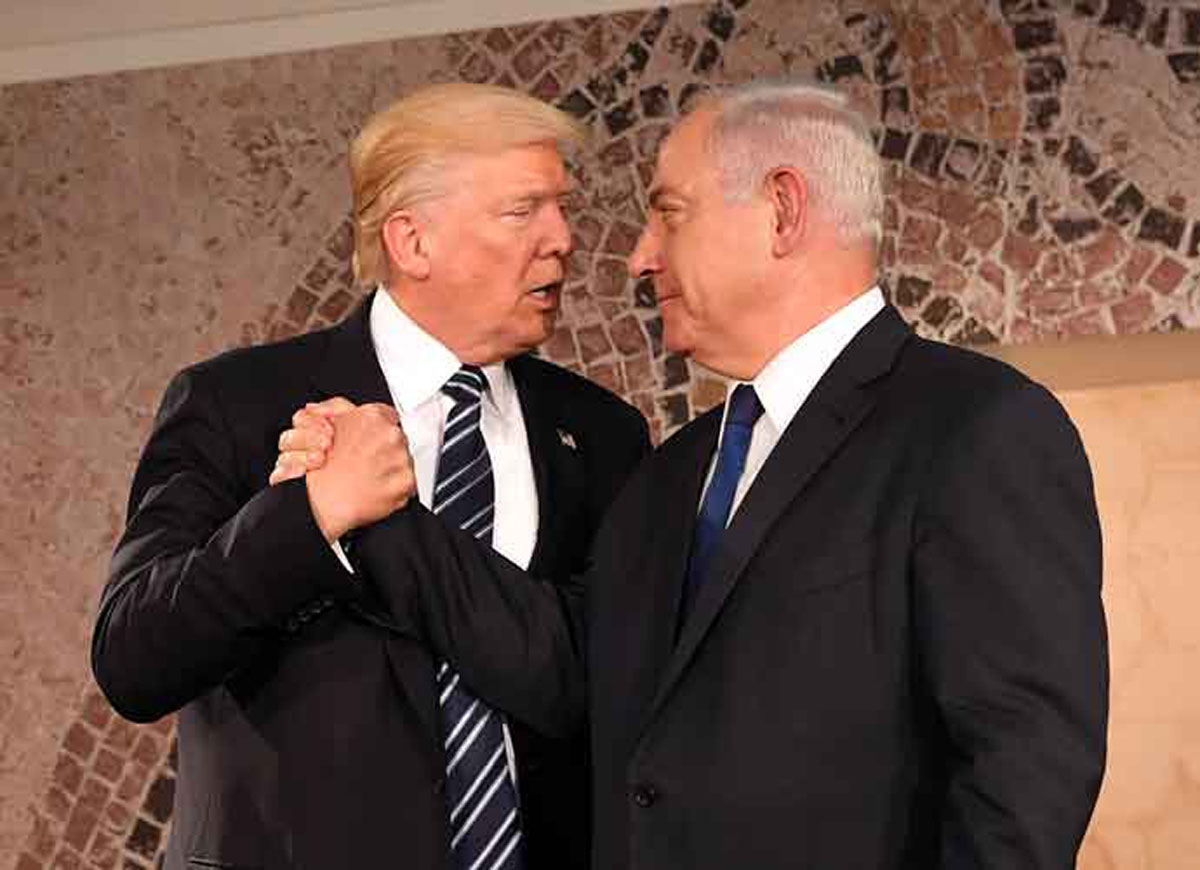
Israeli Prime Minister Benjamin Netanyahu said that he has ordered the Israeli military to expand its control over the Gaza Strip to 70% of the territory, a move critics say could effectively dismantle the framework of the U.S.-brokered ceasefire reached last year and further deepen Gaza’s humanitarian crisis.
Speaking at a conference in an Israeli settlement in the occupied West Bank, Netanyahu said Israeli forces have steadily increased their territorial control since the ceasefire took effect in October.
“We are currently squeezing Hamas,” Netanyahu said. “We now control 60% of the territory in the strip. You know, we were at 50, we moved to 60. My directive is to move to … 70%.”
The announcement marks a significant escalation in Israel’s stated goals for Gaza. Under the ceasefire agreement backed by the United States and endorsed by the United Nations Security Council, Israeli forces withdrew to a demarcation line that left roughly 53% of Gaza under direct Israeli control while negotiations continued over the territory’s future.
Since then, aid agencies and U.N. officials have reported repeated Israeli military advances beyond that line.
Israeli forces have also continued military operations inside Gaza during the ceasefire, according to humanitarian groups and international observers.
Critics argue that expanding Israeli-controlled territory would leave Gaza’s roughly 2.2 million residents confined to an increasingly smaller area of land.
Muhammad Shehada, a visiting fellow at the European Council on Foreign Relations, said Netanyahu’s remarks signal a dramatic departure from the original ceasefire framework.
“Netanyahu is now declaring the whole Trump deal, the framework for Gaza, to be null and void,” Shehada told The Guardian. “That’s what it means in a nutshell. There’s no other way to spell it out.”
Shehada also warned of severe humanitarian consequences if Israeli forces continue expanding their control.
“The conditions there are already appalling. It is the single most overcrowded place on the face of the planet,” he said. “Every square meter has another displaced family, another makeshift tent, or some sort of improvised shelter on it.”
At the same time, Israeli-backed militias have reportedly become more active along the ceasefire boundary. Residents and researchers say armed groups have pressured Palestinians living near the line to leave their homes as military-controlled areas expand.
The future of ceasefire negotiations remains uncertain. While Israeli officials have continued to pressure Hamas to disarm, analysts warn that further territorial expansion could make a long-term political settlement increasingly difficult.

Europa Monitor is a seasoned News Editor with over a decade of experience in journalism. Known for his editorial expertise and commitment to accuracy, Europa Monitor leads teams to deliver high-quality news content.