
Fundraising Big Tech cases
“To bring a case against a Big Tech company, it just costs an awful lot of money,” said Gerard Rudden, an Irish lawyer who helped notorious privacy campaigner Max Schrems bring two landmark legal cases involving Facebook through the Irish courts.
“They obviously have unlimited resources to put into litigation,” Rudden said of the tech firms. “It takes a lot of time, a lot of effort, a lot of bodies and it costs a lot of money to do it. This has ramifications across Europe, because if funding was permitted, you could have a European-wide collective redress case against Meta, Google, Microsoft or whoever in Ireland. But at the moment it’s just impossible because it would cost too much.”
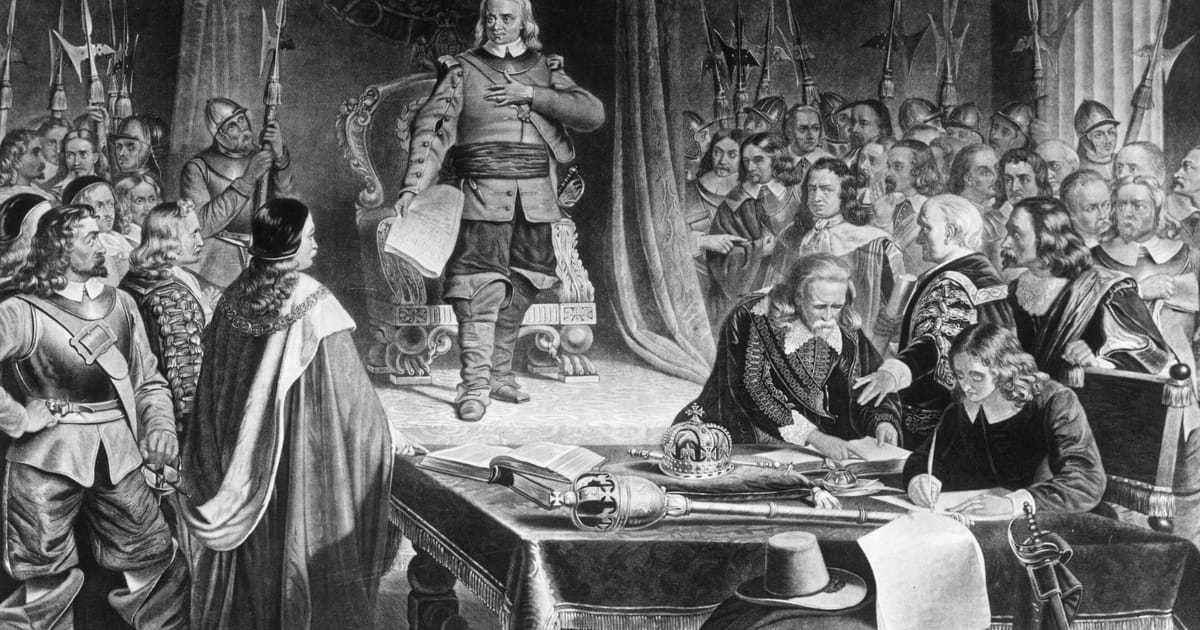
The ban’s origin comes from Ireland having inherited two legal concepts from English law, called “maintenance” and “champerty.” The concepts date back to medieval times; the Irish 17th century law enacting them is still in effect today.
Maintenance is where an individual funds or supports a lawsuit without a direct interest, while champerty is a form of maintenance whereby the funder is given a share of potential winnings in return for financing the case.
While England abolished the two offenses in 1967, Ireland’s courts have upheld the ban on third-party funding. There are a few exceptions, such as when a case is funded by charitable donations from people who don’t expect a share of any payout.
Up for review
A spokesperson for Ireland’s Department of Enterprise, Trade and Employment, who declined to be named, pointed out that Ireland’s independent Law Reform Commission is due to publish a report later this year on whether the rules should be reformed. Changing the law would be a decision for the government’s justice department, they added.

Europa Monitor is a seasoned News Editor with over a decade of experience in journalism. Known for his editorial expertise and commitment to accuracy, Europa Monitor leads teams to deliver high-quality news content.