
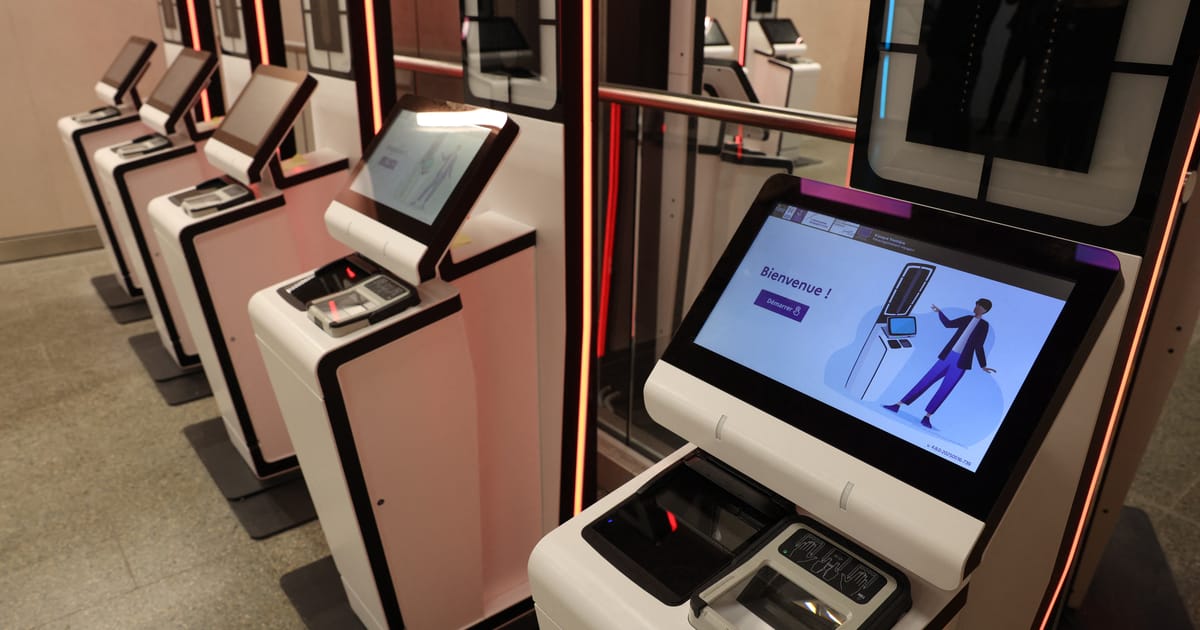
Passenger experiences vary depending on where they enter the EU.
Kathleen Glass, who regularly travels from the U.K. to the EU, waited only about 15 minutes to complete biometric checks at London St. Pancras on Friday morning before boarding a Eurostar train to Brussels.
William, from Edinburgh, who asked not to have his surname published, said biometric checks at a German airport during Christmas took between 40 and 50 minutes.
The ability to suspend biometric collection appears to be keeping the system functioning this summer.
“Although we are early into the summer season, we are not receiving reports of excessive queues,” said Luke Petherbridge, director of public affairs for the Association of British Travel Agents.
The stress over the EES is only a precursor to the next border technology change being planned by Brussels. The bloc’s next goal is the online European Travel Information and Authorization System, which will require travelers from 59 visa-exempt countries to preregister, undergo a security check and pay a small fee before entering Schengen.
ETIAS — similar to systems already in use in the U.K., and the U.S. — was originally supposed to launch in 2021, and then later this year, but is now delayed until 2027.

Europa Monitor is a seasoned News Editor with over a decade of experience in journalism. Known for his editorial expertise and commitment to accuracy, Europa Monitor leads teams to deliver high-quality news content.