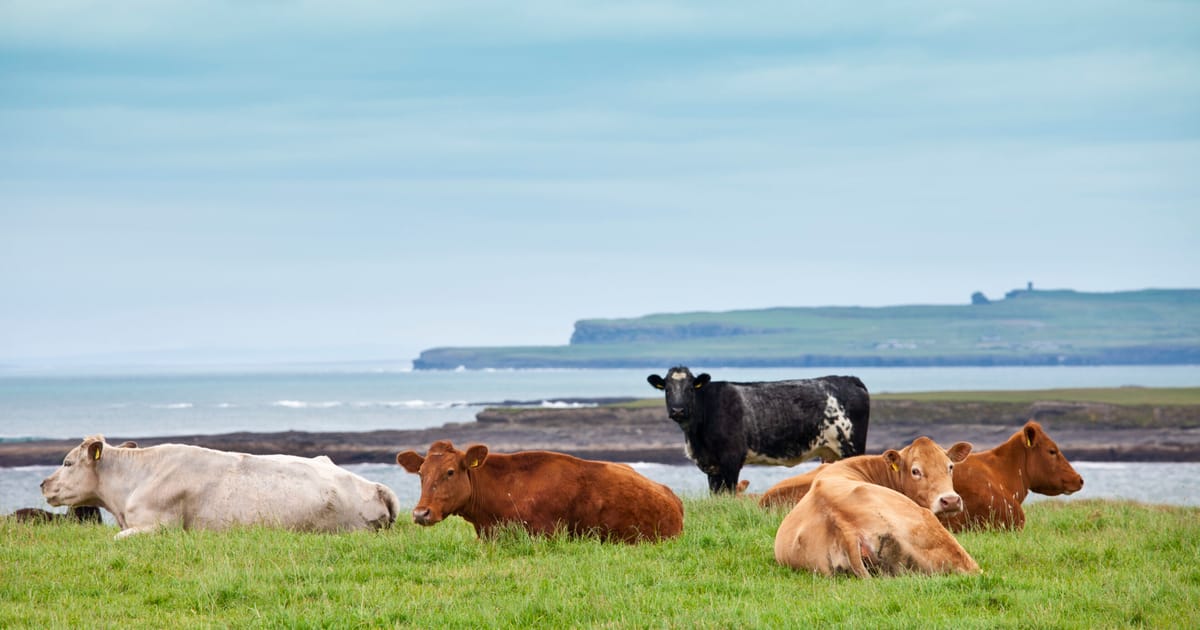
Take methane, the bulk of the livestock sector’s farm emissions. How you count it has been contested for years.
Methane traps far more heat than carbon dioxide but disappears within a decade, while CO2 lingers for centuries. Livestock lobbyists argue that a steady herd adds little new warming, and that the usual way of counting overstates its impact. Ireland and New Zealand, two dairy and beef powerhouses, have pushed the case in international fora.
The strategy leans their way. Its answer to methane is not a target but a measurement project: emissions counted at farm level in enough detail to reward the farmer who switches feed additives or breeds lower-emitting cattle. The strategy talks of the “biogenic” nature of livestock methane, the idea that gas from a cow’s gut is part of a natural carbon cycle rather than a fossil-fuel emission, which is the lobbyists’ argument. Officials insist this is accuracy, not an accounting trick.

But green groups disagree, and more than 30, including Greenpeace and the European Environmental Bureau, wrote to Hansen last month against approaches that “downplay” livestock’s impact, citing scientists who say methane heats the planet equally whether it comes from a cow or a pipeline.
Marco Contiero, Greenpeace’s EU agriculture policy director, said the Commission looks set to embrace the same accounting favored by Ireland and New Zealand, branding methane from farmed animals as natural to avoid the deep cuts the sector has long resisted. He cast “this kind of wishful thinking” from the Commission as “a scandal.”
Paying, not policing
The strategy assumes the sector’s decline can be reversed, and its footprint cut, entirely through incentives and technological fixes.

Europa Monitor is a seasoned News Editor with over a decade of experience in journalism. Known for his editorial expertise and commitment to accuracy, Europa Monitor leads teams to deliver high-quality news content.