Enough reality checks
The Commission is currently drafting an EU-wide adaptation package, dubbed the Integrated Framework for European Climate Resilience, and plans to unveil a set of measures in October or November.
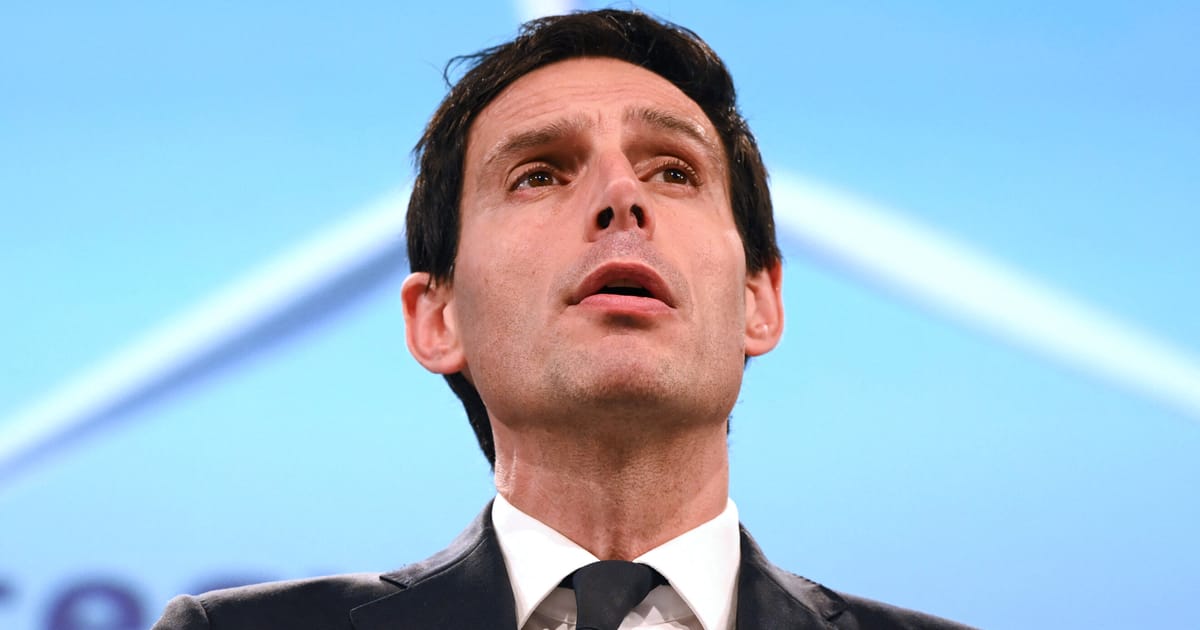
The framework will include three key pillars, Hoekstra said. First, a common scenario that all EU governments should plan for, something the Commission’s scientific advisers suggested earlier this year.
Second, greater clarity on where the responsibilities lie — at municipal, regional, national or EU level — when it comes to climate-proofing Europe. “Who is responsible for the firefighting? Who is responsible for the financing? Who is responsible for planting trees in cities? Who is responsible for health care measures for the elderly? And so on,” he said.
Finally, the Commission wants to ensure adaptation planning is “mainstreamed” throughout European and national policymaking, meaning that climate resilience would be taken into account at every step of decision-making on infrastructure investments, legislation and more.
Plus, the EU must continue striving for lower carbon emissions at home and abroad to avoid the worst climate impacts. But even at the current level of global warming, governments must prepare for more disasters, Hoekstra noted.
“Even if we would be able to kill all emissions tomorrow, we still would be having a number of very rough summers ahead,” he said.
“We cannot afford to see the summer of 2027 or the summer of 2028 as another reality check. We’ve had enough of these. We know what is happening. We know what’s coming,” he added. “There can be no hope in just keeping doing the same and then hoping that the results will be better. That will be naïve and in my view unacceptable.”

Europa Monitor is a seasoned News Editor with over a decade of experience in journalism. Known for his editorial expertise and commitment to accuracy, Europa Monitor leads teams to deliver high-quality news content.