“If I look at the ECB, it does seem to be more concerned about a repeat of the 2022 period than it does, for example, a repeat of 2011,” said Hollingsworth.
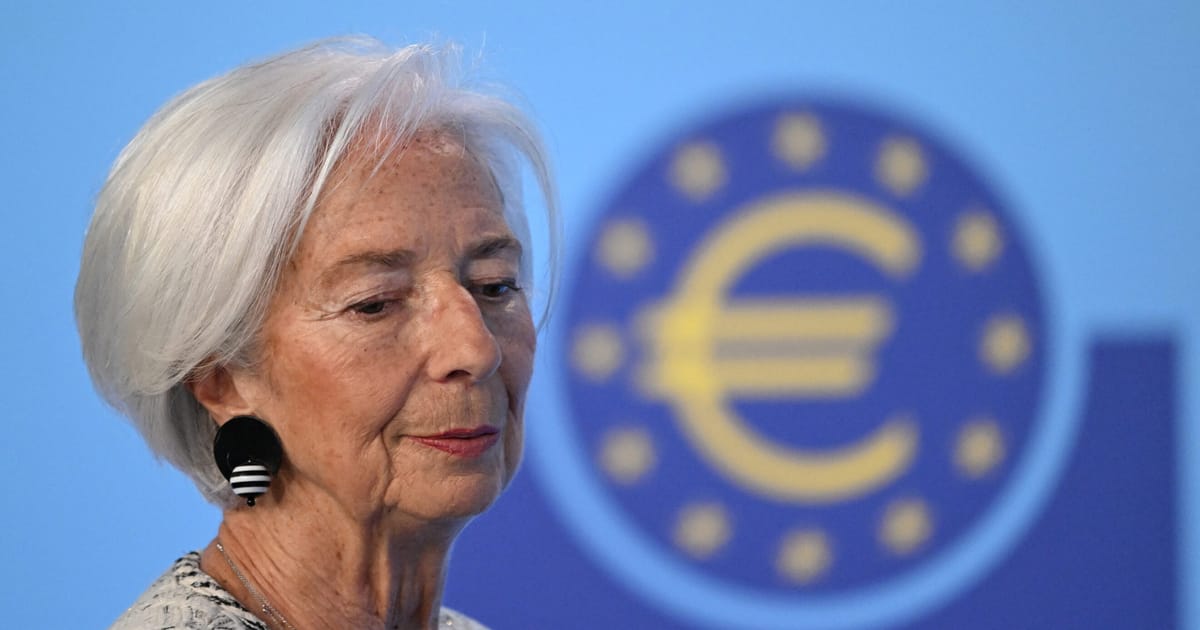
As the ECB attempts to navigate between two competing historical lessons, Lagarde is expected to keep all options open. “There will be no guidance, no pre-commitment,” Deutsche Bank economist Mark Wall said in a note to clients.
Yet while the risk of another inflation shock is real, there is far less certainty that the latest oil-price surge will prove persistent — raising the prospect that tighter policy could turn out to be an unnecessary and costly faux-pas.
“An interest rate hike would be a big mistake,” Berenberg economist Holger Schmieding said. He warned that any follow-up hikes would sow the seeds of an economic downturn.
“This is not 2022,” Schmieding said. “There is little reason for a central bank to weaken demand further when the economy is already being hit by higher energy costs and heightened uncertainty.”
For Britain, where inflation is running at 2.8 percent, a lot has changed since Covid. Back in 2022, the job market was hot, central banks had kept rates low and the government was pumping money into the economy. Now, there is very little by way of economic stimulus.

Europa Monitor is a seasoned News Editor with over a decade of experience in journalism. Known for his editorial expertise and commitment to accuracy, Europa Monitor leads teams to deliver high-quality news content.