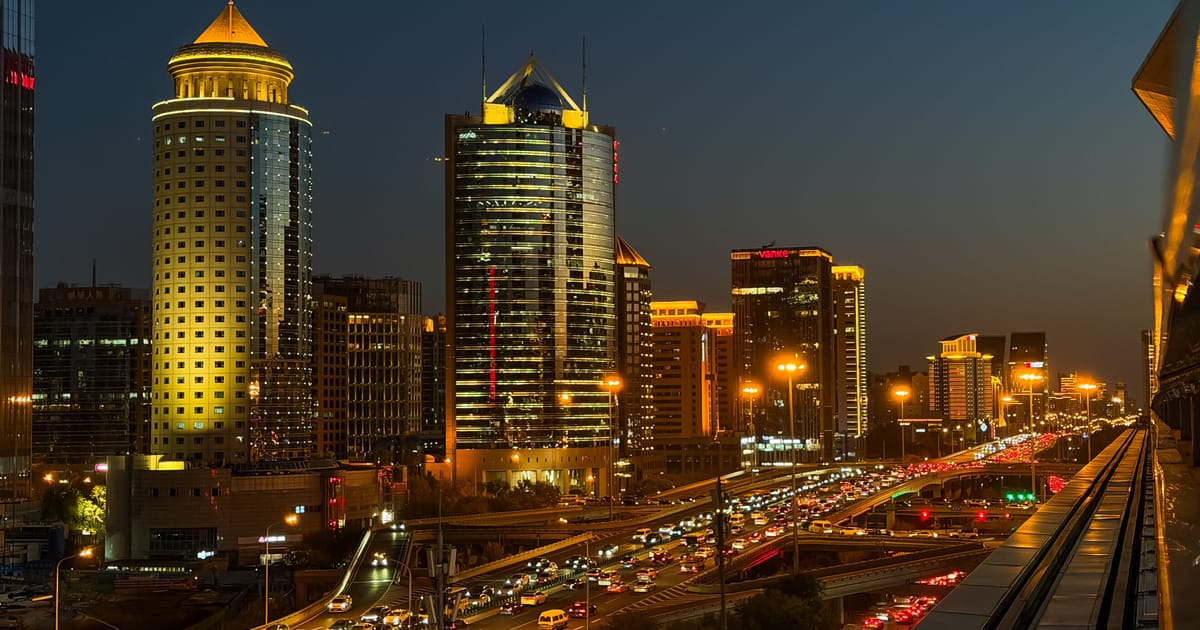
The EU has targeted Chinese firms in previous rounds of sanctions, but the latest proposals show the bloc doubling down on its strategy of going after Russia’s enablers despite China warning of “consequences” over measures included in the EU’s 20th round of Russia sanctions.
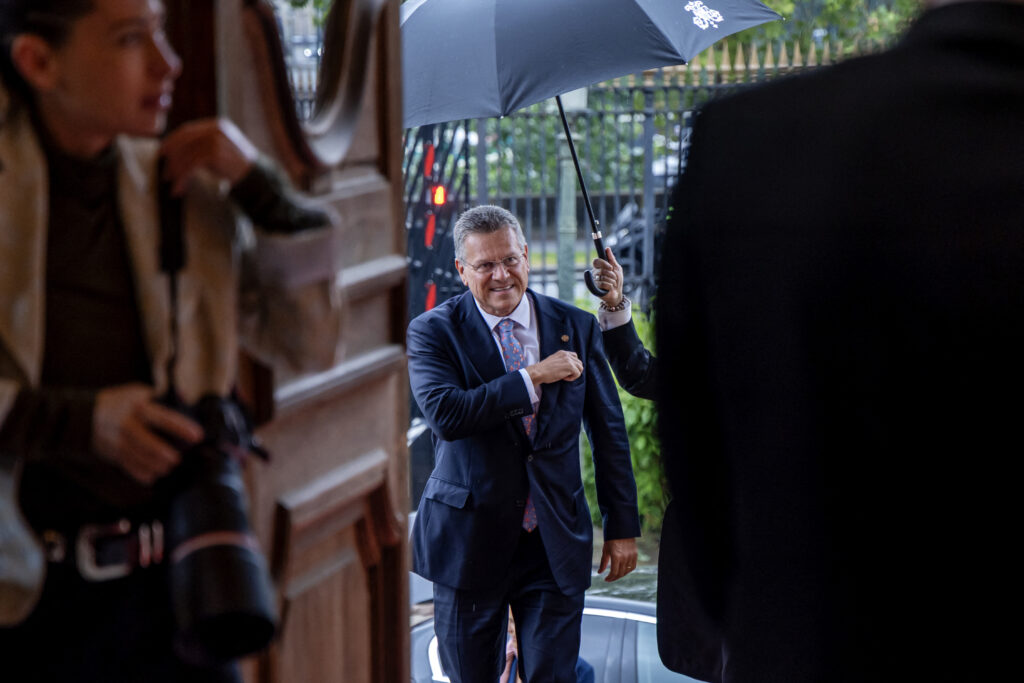
The tensions will be in the spotlight on Tuesday when Trade Commissioner Maroš Šefčovič is meeting Chinese trade envoy Li Chenggang on the sidelines of an OECD ministerial meeting in Paris, according to Commission spokesperson Olof Gill.
The document seen by POLITICO, dated May 21, will feed into a “mini-package” of sanctions that two EU officials said would be adopted at a gathering of EU foreign ministers in Luxembourg on June 15. That package will include a number of individual listings while the bloc works on a 21st package of sanctions that would take a wider, sectoral approach and is expected to be adopted later in the summer.
Any EU sanctions must be approved unanimously by all 27 EU countries. Ambassadors can propose to remove one or several of the provisions included in the EEAS proposal.
Targeting oil revenues
In addition to the four Chinese firms, the document proposes sanctions against five firms located in the United Arab Emirates, three in Turkey and one in Azerbaijan, all of which are described as facilitating Russian shipping and energy sales. It also proposes sanctioning subsidiaries of Russian company Lukoil, as well as dozens of individuals and firms described as supporting Moscow’s war machine.
The list is part of a “rolling” sanctions approach whereby entities are added or removed based on how Russia is changing its tactics to avoid sanctions.

Europa Monitor is a seasoned News Editor with over a decade of experience in journalism. Known for his editorial expertise and commitment to accuracy, Europa Monitor leads teams to deliver high-quality news content.