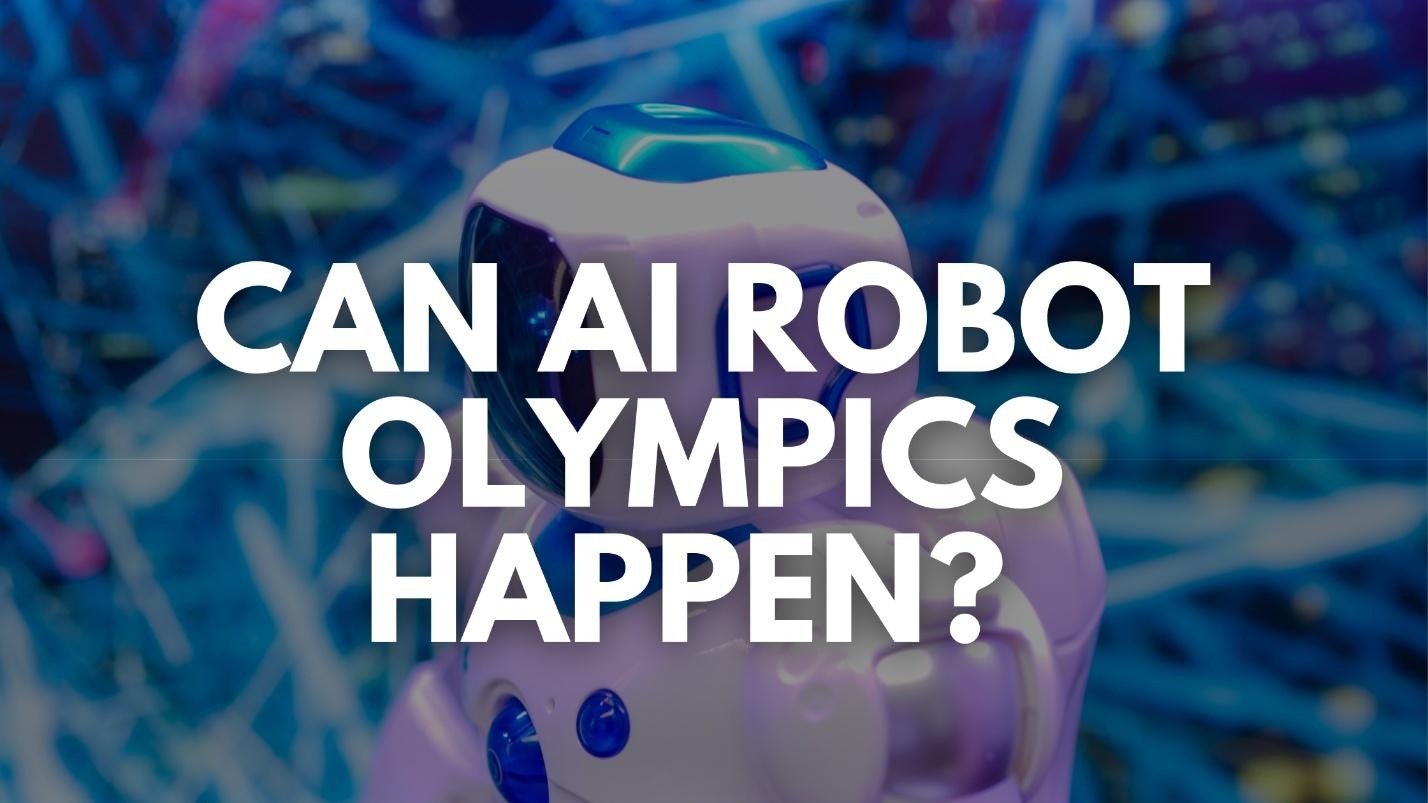
What once felt like science fiction, an AI robot Olympics, now looks more possible as robotics improves. Reports mention sprinting, soccer, table tennis, gymnastics, and other tests. The World Humanoid Robot Games in Beijing brings in more than 2,000 robots for 51 events. That scale shows how fast robot sports are growing.
Still, could robots run something like their own Olympics one day? It could happen. But getting a world wide version would mean big upgrades in tech, clearer event rules, stronger safety, and a solid way to organize it across countries.
Robots are already competing in sports
The idea is now more than just theory. The World Humanoid Robot Games has made a global stage where robots take part in sports and show what they can do in motion. In August 2026, a Chinese humanoid robot named Tiangong Ultra is said to have run the 100-meter dash in 8.86 seconds. That time beats Usain Bolt’s well known mark of 9.58 seconds.
These events let teams study balance and how a machine moves. For viewers, it is a fun way to watch progress in robotics unfold.
What would an AI robot Olympics look like?
A future AI robot Olympics might look like the human Games, but add contests made for machines.
In the main lineup, there could be robotic sprint races, robot jumping events, robot swimming, robot soccer, robotic weightlifting, and robot gymnastics. Alongside those, there could also be robot-only events that check battery use, fine control, path finding through obstacles, long mechanical runs, gripping and moving objects, and doing tasks with less outside help.
Robots would not be judged in the same way as people. Some scores could come from the kit itself, like the sensors, the motors, and the software setup. Organizers might also ask how well the system handles shifts in its surroundings, or how steadily a robotic hand finishes tricky work.
With this setup, a robot Olympics would feel more like a tech contest than a simple sports meet. It could draw teams from around the world to prove who builds the better machine.
AI would be just as important as hardware
A big contrast between sports played by people and robot contests is how much artificial intelligence is involved. A robot’s body still matters, but it is also tested on how it reads the world, avoids trouble, and chooses what to do next.
The International Olympic Committee has pointed out that AI matters more and more. It did this with the Olympic AI Agenda, and the plan talks about using AI in a way that stays focused on people throughout the Olympic Games.
So a coming robot event could link AI work with real athletic effort. The contest could set up tasks where deciding on the fly is just as critical as raw speed.
There are still major challenges
Robots have made real strides, but they still cannot fully take over normal sports run by people. A few humanoid machines can sprint at high speed. Yet they often trip on simple tasks like slowing down, staying upright, or getting back up after a fall. In recent events, there were crashes that showed gaps in current engineering.
If robots were to compete regularly, clear rules would be needed. People would have to decide what kind of machines are allowed. Would it be remote control only, full autonomy, or some kind of mix with assistance? There would also need to be set limits for the gear and the code. Battery limits and safety rules would matter too. The goal would be to keep the games fair even in PH Bingo on GameZone.
Could it become a major global event?
It feels more likely now than it did a few years back. More countries are joining in already, and many robotics events are getting tougher and more advanced. If the tools keep getting better, an event built around AI robots could bring in makers, schools, major tech firms, and robotics teams from many places.
For people who like tech and digital games, this kind of change also shows how fast interactive stuff is moving. If you have been watching new trends in gaming and online entertainment, you might run into sites such as PH Bingo on GameZone. That is one more sign that digital tools keep reshaping how people relax.
An AI robot Olympics plan would still take time, so it is not ready yet. Still, the base work is happening. Today’s robot contests already show that machines can handle more complex physical tasks. As AI models, sensors, power systems, and robot parts improve, the gap between a science demo and a real sport may shrink in a way that draws more attention.
Right now, the traditional Olympics belongs to people. But the growth of robot contests hints that a separate global event for machine athletes may be closer than many expected.
Share this article:

Europa Monitor is a seasoned News Editor with over a decade of experience in journalism. Known for his editorial expertise and commitment to accuracy, Europa Monitor leads teams to deliver high-quality news content.