‘Very problematic’
Erin Borror, vice president of economic analysis for the U.S. Meat Export Federation, echoed these concerns, warning that the deforestation regime was “very problematic” for suppliers serving the EU market, as well as the EU beef industry, importers and customers, who face “unnecessarily higher costs and regulatory burdens.”
The federation hopes the U.K. “will not go down the same path,” Borror said, arguing that similar rules would make Britain “a more difficult market to serve” without delivering tangible benefits for reducing global deforestation or for British consumers.
If the U.K. proceeds, she urged policymakers to include a “true negligible-risk category” that would remove low-risk suppliers from the most burdensome requirements.
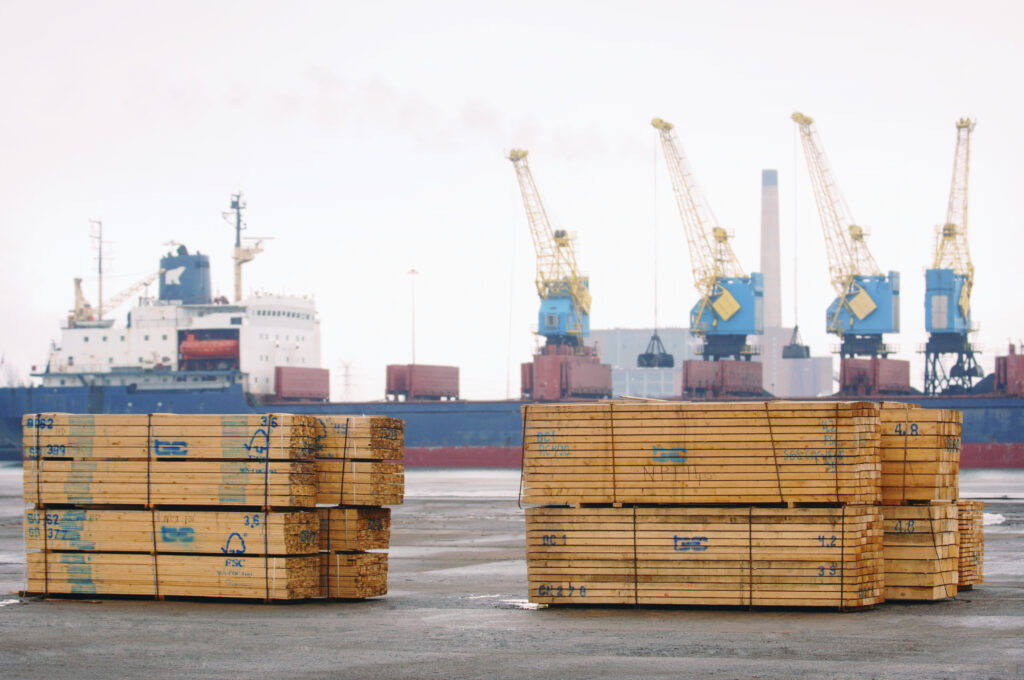
The American Forest & Paper Association also warned the U.K. against replicating what it sees as the EU’s shortcomings. While supporting efforts to tackle deforestation, the group cautioned against a “one-size-fits-all” approach, arguing that “costly geolocation and traceability requirements” could become “non-tariff trade barriers” when they do not reflect low-risk supply chains.
Another ‘axe to grind’
Allie Renison, a former U.K. government trade adviser, now a director at SEC Newgate, said Britain will likely try to learn from the EU’s experience and design a “less problematic” system — particularly around which products are covered and how rules are enforced.
But she warned that the broader direction of travel could still create friction with Washington. With the U.S. administration increasingly focused on regulation as a trade barrier, following the EU’s approach “on principle” means Washington “may feel it has more of a substantive axe to grind.”

Europa Monitor is a seasoned News Editor with over a decade of experience in journalism. Known for his editorial expertise and commitment to accuracy, Europa Monitor leads teams to deliver high-quality news content.